

【漏洞通告】微软5月多个安全漏洞
发布时间 2026-05-13一、漏洞概述
2026年5月13日,启明星辰安全应急响应中心(VSRC)监测到微软发布了5月安全更新,本次更新修复了137个漏洞,涵盖特权提升、远程代码执行、信息泄露等多种漏洞类型。漏洞级别分布如下:30个严重级别漏洞,102个重要级别漏洞,4个中危级别漏洞,1个低危级别漏洞(漏洞级别依据微软官方数据)。
其中,13个漏洞被微软标记为“更可能被利用”及“检测利用情形”,表明这些漏洞存在较高的利用风险,建议优先修复以降低潜在安全威胁。
CVE-ID | CVE 标题 | 漏洞级别 |
CVE-2026-33835 | Windows Cloud Files Mini Filter Driver 特权提升漏洞 | 重要 |
CVE-2026-33837 | Windows TCP/IP 本地组件 特权提升漏洞 | 重要 |
CVE-2026-33840 | Win32k 特权提升漏洞 | 重要 |
CVE-2026-33841 | Windows 内核特权提升漏洞 | 重要 |
CVE-2026-35416 | WinSock 的 Windows 辅助功能驱动程序特权提升漏洞 | 重要 |
CVE-2026-35417 | Windows Win32k 特权提升漏洞 | 重要 |
CVE-2026-35435 | Azure AI Foundry 特权提升漏洞 | 严重 |
CVE-2026-40361 | Microsoft Word 远程执行代码漏洞 | 严重 |
CVE-2026-40364 | Microsoft Word 远程执行代码漏洞 | 严重 |
CVE-2026-40369 | Windows 内核特权提升漏洞 | 重要 |
CVE-2026-40397 | Windows 通用日志文件系统驱动程序提升权限漏洞 | 重要 |
CVE-2026-40398 | Windows 远程桌面服务特权提升漏洞 | 重要 |
CVE-2026-41103 | 适用于Jira 和 Confluence 的 Microsoft 单点登录插件 特权提升漏洞 | 严重 |
微软5月更新修复的完整漏洞列表如下:
CVE-ID | CVE 标题 | 漏洞级别 |
CVE-2026-21530 | Windows 富文本编辑控件 特权提升漏洞 | 重要 |
CVE-2026-26129 | M365 Copilot 信息泄露漏洞 | 严重 |
CVE-2026-26164 | M365 Copilot 信息泄露漏洞 | 严重 |
CVE-2026-32161 | Windows 原生 WiFi 微型端口驱动程序 远程代码执行漏洞 | 严重 |
CVE-2026-32170 | Windows 富文本编辑控件 特权提升漏洞 | 重要 |
CVE-2026-32175 | .NET Core 篡改漏洞 | 重要 |
CVE-2026-32177 | .NET 特权提升漏洞 | 重要 |
CVE-2026-32185 | Microsoft Teams 欺骗漏洞 | 重要 |
CVE-2026-32204 | Azure Monitor 代理特权提升漏洞 | 重要 |
CVE-2026-32207 | Azure 机器学习笔记本 欺骗性漏洞 | 严重 |
CVE-2026-32209 | Windows 筛选平台 (WFP) 安全功能绕过漏洞 | 重要 |
CVE-2026-33109 | Azure Managed Instance for Apache Cassandra 远程代码执行漏洞 | 严重 |
CVE-2026-33110 | Microsoft SharePoint Server 远程执行代码漏洞 | 重要 |
CVE-2026-33111 | Copilot Chat(Microsoft Edge) 信息泄露漏洞 | 严重 |
CVE-2026-33112 | Microsoft SharePoint Server 远程执行代码漏洞 | 重要 |
CVE-2026-33117 | Azure SDK for Java 安全功能绕过漏洞 | 重要 |
CVE-2026-33821 | Microsoft Dynamics 365 Customer Insights 特权提升漏洞 | 严重 |
CVE-2026-33823 | Microsoft Team Events Portal 信息泄露漏洞 | 严重 |
CVE-2026-33833 | Azure 机器学习笔记本 欺骗性漏洞 | 重要 |
CVE-2026-33834 | Windows 事件日志记录服务特权提升漏洞 | 重要 |
CVE-2026-33835 | Windows Cloud Files Mini Filter Driver 特权提升漏洞 | 重要 |
CVE-2026-33837 | Windows TCP/IP 本地组件 特权提升漏洞 | 重要 |
CVE-2026-33838 | Windows 消息队列 (MSMQ) 特权提升漏洞 | 重要 |
CVE-2026-33839 | Win32k 特权提升漏洞 | 重要 |
CVE-2026-33840 | Win32k 特权提升漏洞 | 重要 |
CVE-2026-33841 | Windows 内核特权提升漏洞 | 重要 |
CVE-2026-33844 | Azure Managed Instance for Apache Cassandra 远程代码执行漏洞 | 严重 |
CVE-2026-34327 | Microsoft 合作伙伴中心 欺骗性漏洞 | 严重 |
CVE-2026-34329 | Microsoft 消息队列 (MSMQ) 远程代码执行漏洞 | 重要 |
CVE-2026-34330 | Win32k 特权提升漏洞 | 重要 |
CVE-2026-34331 | Win32k 特权提升漏洞 | 重要 |
CVE-2026-34332 | Windows 内核模式驱动程序远程代码执行漏洞 | 重要 |
CVE-2026-34333 | Windows Win32k 特权提升漏洞 | 重要 |
CVE-2026-34334 | Windows TCP/IP 特权提升漏洞 | 重要 |
CVE-2026-34336 | Windows DWM Core Library 信息泄漏漏洞 | 重要 |
CVE-2026-34337 | Windows Cloud Files Mini Filter Driver 特权提升漏洞 | 重要 |
CVE-2026-34338 | Windows 电话服务特权提升漏洞 | 重要 |
CVE-2026-34339 | Windows 轻量级目录访问协议 (LDAP) 拒绝服务漏洞 | 重要 |
CVE-2026-34340 | Windows 投影文件系统特权提升漏洞 | 重要 |
CVE-2026-34341 | Windows 链路层发现协议 (LLDP) 特权提升漏洞 | 重要 |
CVE-2026-34342 | Windows 打印后台处理程序特权提升漏洞 | 重要 |
CVE-2026-34343 | Windows 应用程序标识 (AppID) 子系统 特权提升漏洞 | 重要 |
CVE-2026-34344 | WinSock 的 Windows 辅助功能驱动程序特权提升漏洞 | 重要 |
CVE-2026-34345 | WinSock 的 Windows 辅助功能驱动程序特权提升漏洞 | 重要 |
CVE-2026-34347 | Windows Win32k 特权提升漏洞 | 重要 |
CVE-2026-34350 | Windows Storport 微型端口驱动程序 拒绝服务漏洞 | 重要 |
CVE-2026-34351 | Windows TCP/IP 特权提升漏洞 | 重要 |
CVE-2026-35415 | Windows 储存空间控件特权提升漏洞 | 重要 |
CVE-2026-35416 | WinSock 的 Windows 辅助功能驱动程序特权提升漏洞 | 重要 |
CVE-2026-35417 | Windows Win32k 特权提升漏洞 | 重要 |
CVE-2026-35418 | Windows Cloud Files Mini Filter Driver 特权提升漏洞 | 重要 |
CVE-2026-35419 | Windows DWM Core Library 信息泄漏漏洞 | 重要 |
CVE-2026-35420 | Windows 内核特权提升漏洞 | 重要 |
CVE-2026-35421 | Windows GDI 远程代码执行漏洞 | 严重 |
CVE-2026-35422 | Windows TCP/IP 驱动程序安全功能绕过漏洞 | 重要 |
CVE-2026-35423 | Windows 11 Telnet 客户端 信息泄露漏洞 | 重要 |
CVE-2026-35424 | Windows 密钥交换 (IKE) 协议拒绝服务漏洞 | 重要 |
CVE-2026-35428 | Azure Cloud Shell 欺骗性漏洞 | 严重 |
CVE-2026-35429 | Android 版 Microsoft Edge(基于 Chromium)欺骗漏洞 | 中 |
CVE-2026-35433 | .NET 特权提升漏洞 | 重要 |
CVE-2026-35435 | Azure AI Foundry 特权提升漏洞 | 严重 |
CVE-2026-35436 | Microsoft Office 即点即用特权提升漏洞 | 重要 |
CVE-2026-35438 | Windows 管理中心特权提升漏洞 | 重要 |
CVE-2026-35439 | Microsoft SharePoint Server 远程执行代码漏洞 | 重要 |
CVE-2026-35440 | Microsoft Word 信息泄露漏洞 | 重要 |
CVE-2026-40357 | Microsoft SharePoint Server 远程执行代码漏洞 | 重要 |
CVE-2026-40358 | Microsoft Office 远程执行代码漏洞 | 严重 |
CVE-2026-40359 | Microsoft Excel 远程执行代码漏洞 | 重要 |
CVE-2026-40360 | Microsoft Excel 信息泄露漏洞 | 重要 |
CVE-2026-40361 | Microsoft Word 远程执行代码漏洞 | 严重 |
CVE-2026-40362 | Microsoft Excel 远程执行代码漏洞 | 重要 |
CVE-2026-40363 | Microsoft Office 远程执行代码漏洞 | 严重 |
CVE-2026-40364 | Microsoft Word 远程执行代码漏洞 | 严重 |
CVE-2026-40365 | Microsoft SharePoint Server 远程执行代码漏洞 | 严重 |
CVE-2026-40366 | Microsoft Word 远程执行代码漏洞 | 严重 |
CVE-2026-40367 | Microsoft Word 远程执行代码漏洞 | 严重 |
CVE-2026-40368 | Microsoft SharePoint Server 远程执行代码漏洞 | 重要 |
CVE-2026-40369 | Windows 内核特权提升漏洞 | 重要 |
CVE-2026-40370 | SQL Server 远程执行代码漏洞 | 重要 |
CVE-2026-40374 | Microsoft Power Automate 桌面信息披露漏洞 | 重要 |
CVE-2026-40377 | Microsoft Cryptographic Services 特权提升漏洞 | 重要 |
CVE-2026-40379 | Microsoft 企业安全令牌服务 (ESTS) 欺骗性漏洞 | 严重 |
CVE-2026-40380 | Windows 卷管理器扩展驱动程序 远程代码执行漏洞 | 重要 |
CVE-2026-40381 | Azure Connected Machine Agent 特权提升漏洞 | 重要 |
CVE-2026-40382 | Windows 电话服务特权提升漏洞 | 重要 |
CVE-2026-40397 | Windows 通用日志文件系统驱动程序提升权限漏洞 | 重要 |
CVE-2026-40398 | Windows 远程桌面服务特权提升漏洞 | 重要 |
CVE-2026-40399 | Windows TCP/IP 特权提升漏洞 | 重要 |
CVE-2026-40401 | Windows TCP/IP 拒绝服务漏洞 | 重要 |
CVE-2026-40402 | Windows Hyper-V 特权提升漏洞 | 严重 |
CVE-2026-40403 | Windows 图形组件远程执行代码漏洞 | 严重 |
CVE-2026-40405 | Windows TCP/IP 拒绝服务漏洞 | 重要 |
CVE-2026-40406 | Windows TCP/IP 信息泄露漏洞 | 重要 |
CVE-2026-40407 | Windows 通用日志文件系统驱动程序提升权限漏洞 | 重要 |
CVE-2026-40408 | Windows WAN ARP Driver Elevation of Privilege Vulnerability | 重要 |
CVE-2026-40410 | Microsoft SMB 客户端特权提升漏洞 | 重要 |
CVE-2026-40413 | Windows TCP/IP 拒绝服务漏洞 | 重要 |
CVE-2026-40414 | Windows TCP/IP 拒绝服务漏洞 | 重要 |
CVE-2026-40415 | Windows TCP/IP 远程执行代码漏洞 | 重要 |
CVE-2026-40416 | Android 版 Microsoft Edge(基于 Chromium)欺骗漏洞 | 低 |
CVE-2026-40417 | Microsoft Dynamics 365 Business Central 特权提升漏洞 | 重要 |
CVE-2026-40418 | Microsoft Office 即点即用特权提升漏洞 | 重要 |
CVE-2026-40419 | Microsoft Office 即点即用特权提升漏洞 | 重要 |
CVE-2026-40420 | Microsoft Office 即点即用特权提升漏洞 | 重要 |
CVE-2026-40421 | Microsoft Word 信息泄露漏洞 | 重要 |
CVE-2026-41086 | Azure 门户中的 Windows Admin Center 特权提升漏洞 | 重要 |
CVE-2026-41088 | WinSock 的 Windows 辅助功能驱动程序特权提升漏洞 | 重要 |
CVE-2026-41089 | Windows Netlogon 服务 远程代码执行漏洞 | 严重 |
CVE-2026-41094 | Microsoft Data Formulator 远程代码执行漏洞 | 重要 |
CVE-2026-41095 | Data Deduplication Elevation of Privilege Vulnerability | 重要 |
CVE-2026-41096 | Windows DNS 客户端远程执行代码漏洞 | 严重 |
CVE-2026-41097 | 安全启动安全功能绕过漏洞 | 重要 |
CVE-2026-41100 | Microsoft 365 Copilot for Android 欺骗性漏洞 | 重要 |
CVE-2026-41101 | Microsoft Word for Android 欺骗性漏洞 | 重要 |
CVE-2026-41102 | Microsoft PowerPoint for Android 欺骗性漏洞 | 重要 |
CVE-2026-41103 | 适用于Jira 和 Confluence 的 Microsoft 单点登录插件 特权提升漏洞 | 严重 |
CVE-2026-41105 | Azure Monitor 操作组通知系统 特权提升漏洞 | 严重 |
CVE-2026-41107 | Microsoft Edge (基于 Chromium)信息泄露漏洞 | 中 |
CVE-2026-41109 | GitHub Copilot 和 Visual Studio Code 安全功能绕过漏洞 | 重要 |
CVE-2026-41610 | Visual Studio Code 安全功能绕过漏洞 | 重要 |
CVE-2026-41611 | Visual Studio Code 远程执行代码漏洞 | 重要 |
CVE-2026-41612 | Visual Studio Code 信息泄漏漏洞 | 重要 |
CVE-2026-41613 | Visual Studio Code 特权提升漏洞 | 重要 |
CVE-2026-41614 | 桌面版M365 Copilot 欺骗性漏洞 | 重要 |
CVE-2026-42823 | Azure 逻辑应用特权提升漏洞 | 重要 |
CVE-2026-42825 | Windows 电话服务特权提升漏洞 | 重要 |
CVE-2026-42826 | Azure DevOps 信息泄露漏洞 | 严重 |
CVE-2026-42830 | Azure Monitor 代理指标扩展 特权提升漏洞 | 重要 |
CVE-2026-42831 | Microsoft Office 远程执行代码漏洞 | 严重 |
CVE-2026-42832 | Microsoft Office 欺骗漏洞 | 重要 |
CVE-2026-42833 | Microsoft Dynamics 365(本地)远程执行代码漏洞 | 重要 |
CVE-2026-42838 | 基于Chromium 的 Microsoft Edge 特权提升漏洞 | 中 |
CVE-2026-42891 | Android 版 Microsoft Edge(基于 Chromium)欺骗漏洞 | 中 |
CVE-2026-42893 | Microsoft Outlook for iOS 篡改漏洞 | 重要 |
CVE-2026-42896 | Windows DWM 核心库特权提升漏洞 | 重要 |
CVE-2026-42898 | Microsoft Dynamics 365(本地)远程执行代码漏洞 | 严重 |
CVE-2026-42899 | ASP.NET Core 拒绝服务漏洞 | 重要 |
二、影响范围
受影响的产品/功能/服务/组件包括:
Windows Rich Text Edit
M365 Copilot
Windows Native WiFi Miniport Driver
Windows Rich Text Edit Control
.NET
Microsoft Teams
Azure Monitor Agent
Azure Machine Learning
Windows Filtering Platform (WFP)
Azure Managed Instance for Apache Cassandra
Microsoft Office SharePoint
Copilot Chat (Microsoft Edge)
Azure SDK
Microsoft Dynamics 365 Customer Insights
Windows Event Logging Service
Windows Cloud Files Mini Filter Driver
Windows TCP/IP
Windows Message Queuing
Windows Win32K - GRFX
Windows Win32K - ICOMP
Windows Kernel
Microsoft Partner Center
Windows Kernel-Mode Drivers
Windows DWM Core Library
Windows Telephony Service
Windows LDAP - Lightweight Directory Access Protocol
Windows Projected File System
Windows Link-Layer Discovery Protocol (LLDP)
Windows Print Spooler Components
Windows Application Identity (AppID) Subsystem
Windows Ancillary Function Driver for WinSock
Windows Storport Miniport Driver
Windows Storage Spaces Controller
Windows GDI
Telnet Client
Windows Internet Key Exchange (IKE) Protocol
Azure Cloud Shell
Microsoft Edge for Android
Azure AI Foundry M365 published agents
Microsoft Office Click-To-Run
Windows Admin Center
Microsoft Office Word
Microsoft Office
Microsoft Office Excel
SQL Server
Power Automate
Windows Cryptographic Services
Azure Entra ID
Windows Volume Manager Extension Driver
Azure Connected Machine Agent
Windows Common Log File System Driver
Windows Remote Desktop
Windows Hyper-V
Windows SMB Client
Microsoft Edge (Chromium-based)
Dynamics Business Central
Windows Netlogon
Microsoft Data Formulator
Data Deduplication
Microsoft Windows DNS
Windows Secure Boot
Microsoft Office PowerPoint
Microsoft SSO Plugin for Jira & Confluence
Azure Notification Service
GitHub Copilot and Visual Studio
Visual Studio Code
M365 Copilot for Desktop
Azure Logic Apps
Azure DevOps
Microsoft Dynamics 365 (on-premises)
ASP.NET Core
三、安全措施
3.1 升级版本
目前微软已发布相关安全更新,建议受影响的用户尽快修复。
(一)Windows Update自动更新
Microsoft Update默认启用,当系统检测到可用更新时,将会自动下载更新并在下一次启动时安装。也可选择通过以下步骤手动进行更新:
1、点击“开始菜单”或按Windows快捷键,点击进入“设置”
2、选择“更新和安全”,进入“Windows更新”(Windows 8、Windows 8.1、Windows Server 2012以及Windows Server 2012 R2可通过控制面板进入“Windows更新”,具体步骤为“控制面板”->“系统和安全”->“Windows更新”)
3、选择“检查更新”,等待系统自动检查并下载可用更新。
4、更新完成后重启计算机,可通过进入“Windows更新”->“查看更新历史记录”查看是否成功安装了更新。对于没有成功安装的更新,可以点击该更新名称进入微软官方更新描述链接,点击最新的SSU名称并在新链接中点击“Microsoft 更新目录”,然后在新链接中选择适用于目标系统的补丁进行下载并安装。
(二)手动安装更新
Microsoft官方下载相应补丁进行更新。
2026年5月安全更新下载链接:
https://msrc.microsoft.com/update-guide/releaseNote/2026-May
补丁下载示例(参考):
1.打开上述下载链接,点击漏洞列表中要修复的CVE链接。
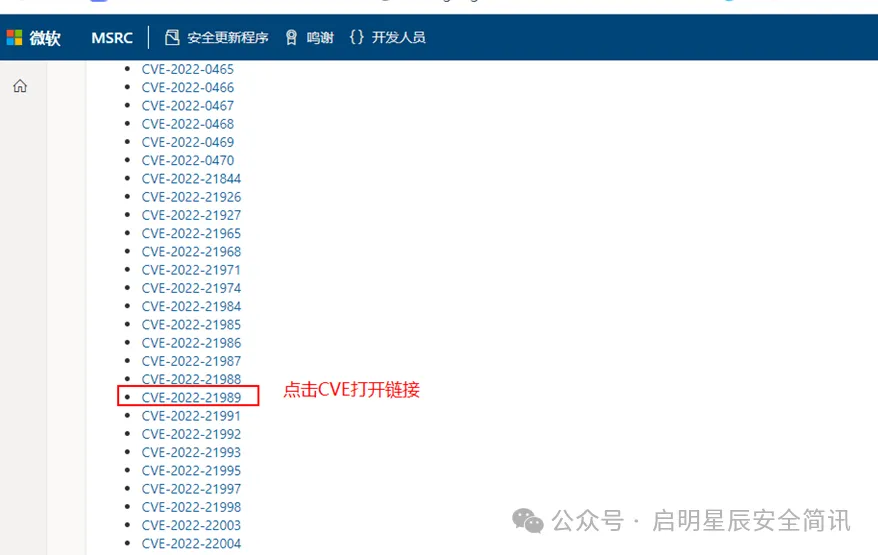
例1:微软漏洞列表(示例)
2.在微软公告页面底部左侧【产品】列选择相应的系统类型,点击右侧【下载】列打开补丁下载链接。

例2:CVE-2022-21989补丁下载示例
3.点击【安全更新】,打开补丁下载页面,下载相应补丁并进行安装。
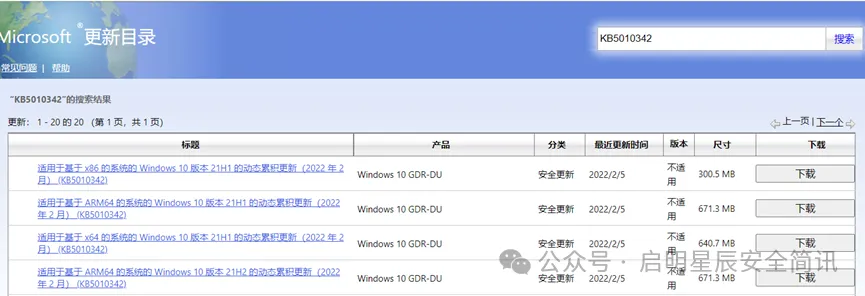
例3:补丁下载界面
4.安装完成后重启计算机。
3.2 临时措施
暂无。
3.3 通用建议
l定期更新系统补丁,减少系统漏洞,提升服务器的安全性。
l加强系统和网络的访问控制,修改防火墙策略,关闭非必要的应用端口或服务,减少将危险服务(如SSH、RDP等)暴露到公网,减少攻击面。
l使用企业级安全产品,提升企业的网络安全性能。
l加强系统用户和权限管理,启用多因素认证机制和最小权限原则,用户和软件权限应保持在最低限度。
l启用强密码策略并设置为定期修改。


 京公网安备11010802024551号